Friday, 16 May 2014

Ideas

Adstract

RYAN BUSH


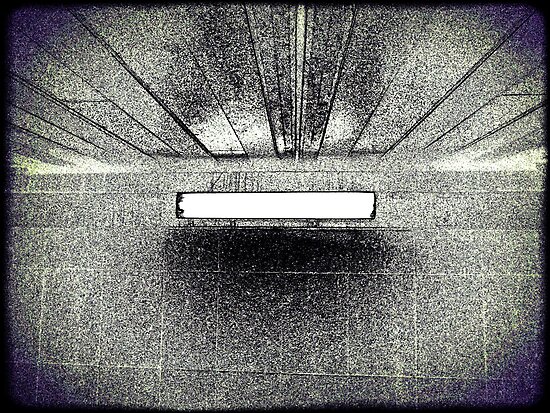
Bush had a big influence on my ideas for focusing more on the lines of a landscape. I concentrated more on the idea of a landscape being more abstract and holding pattern with lines and texture when I looked at bush's work and tried to incorporate this in my own work. I think I achieved this more with my digital images which allowed me to be freer with the position I held my camera which I found easier to capture close ups of what I was trying to capture with my landscape then the large format camera.

Stephanie Jung
Jung captures the everyday street and cityscapes of Tokyo, Shibua, Osaka and Nara which capture and give a sense of movement created by the double exposure and exotic colour. The images resemble snapshots of the urban every day, shaped by the flow of time. They are coated with a vibrating texture and intense colouring. Jung's works captures the space within the images and appear to be very individual structures of power lines, lanterns or car colours for the urban identity. I thought that Jung's work held all of the things I wanted to capture in my own landscapes but brought a new twist to it. I really enjoyed looking at her work and found the use of pattern, texture and colour eye catching and interesting to look at.

Osaka
Nara
Nara II
All image from http://portfolio122826.4ormat.com/japan

http://www.art.co.uk/gallery/id--b1822-c23951/posters.htmhttp://www.artspan.co.uk/abstract-photography#.UzMDWPZHAQ5 http://www.noupe.com/inspiration/stunning-abstract-black-and-white-photography.html
http://www.ryanbushphotography.com/portfolio.php?dir=compositions&title=Compositions%20for%20Electric%20Wires%20and%20Ether,%202007-2008
http://portfolio122826.4ormat.com/japan http://fqwimages.com/


Texture

Lucy Shires 
"Textures themselves are patterns, works of art, intentional or otherwise, they surround us."
Qoute from http://www.lucyshiresphotography.co.uk/gallery/texture/ 
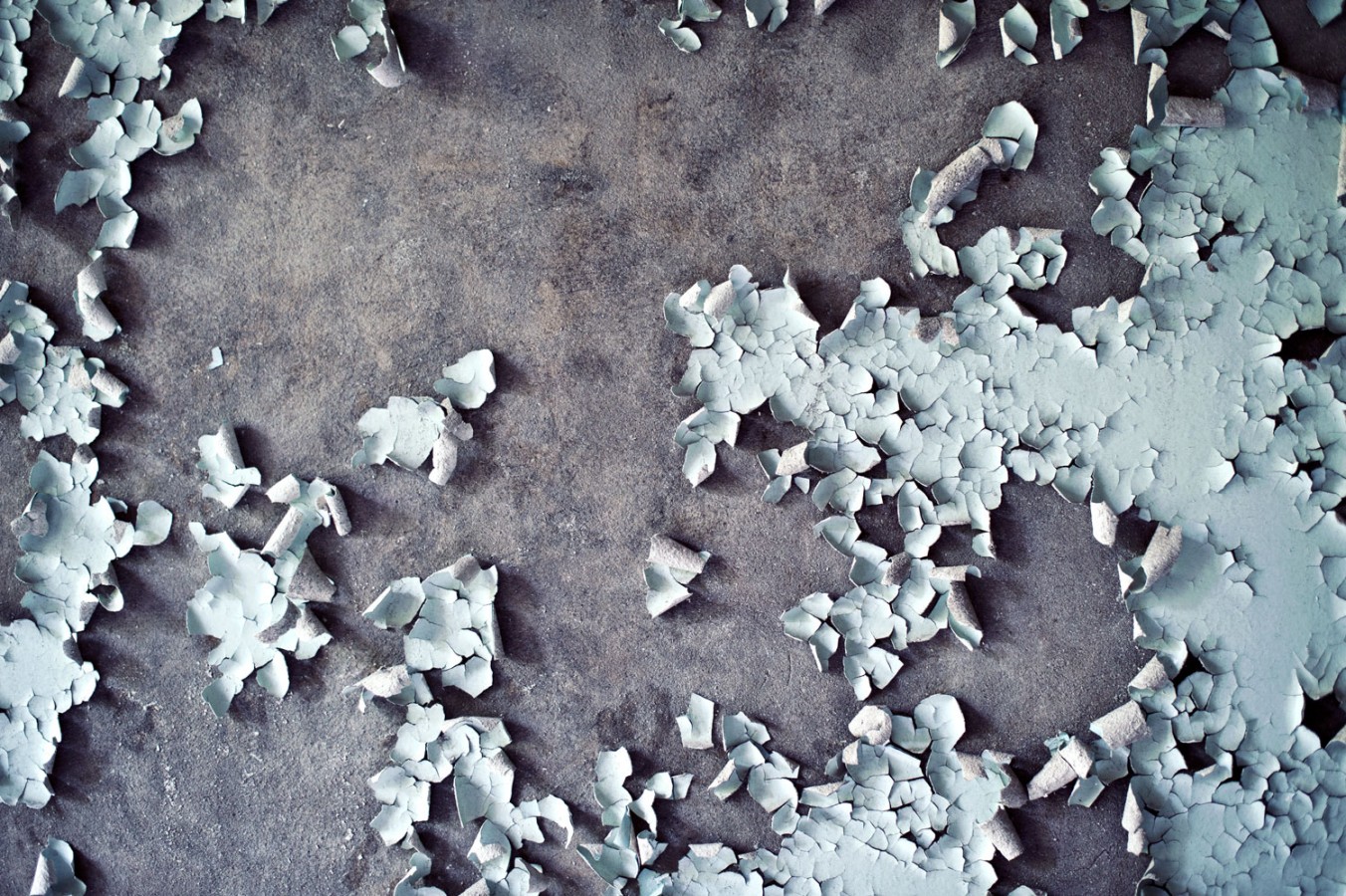


Images from http://www.lucyshiresphotography.co.uk/gallery/texture/  
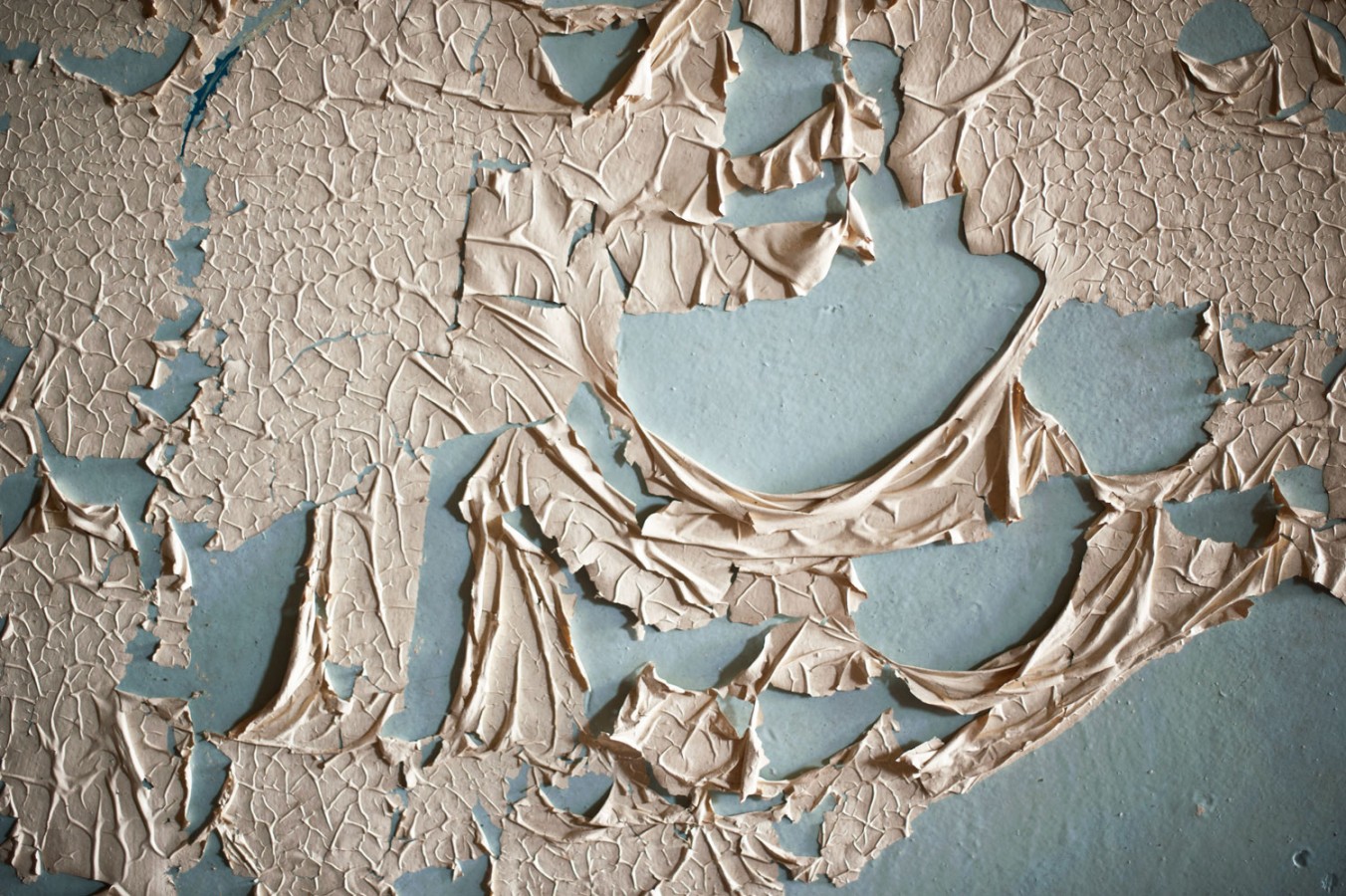


Shires captures urban abstractions of texture and pattern and has an interest intake of detail. Although these aren’t necessarily landscapes I was drawn to the detail and unique texture Shires captures, her work influenced me to think also think about texture and pattern within my own images.

 
http://www.lucyshiresphotography.co.uk/gallery/texture/
http://www.picturecorrect.com/tips/texture-in-photography/
http://www.steves-digicams.com/knowledge-center/how-tos/photography-techniques/what-is-texture-photography.html#b http://www.cgtextures.com/content.php?action=tutorial&name=shootingtextures

Contour lines


Contour lines are the main subject matter throughout my images, I wanted to capture or rather look within the landscape I was capturing to portray something that helped make what I was looking at (if that make sense) I didn’t want to just concentrate on a landscapes as being the obvious land, water, horizon and sky I want to also capture the textures, patterns and spaces within my shots. Throughout my progress in the project I did get a little lots with my idea but I think that was because I wasn’t shooting enough or researching enough, I also lost confidence in my images because most of them didn’t working out and didn’t looking how I imagined then to and I gave up to easily. When I became more confident in my idea I guess that’s when I stared to see what it was that I wanted to capture and started to look back on the artists that I originally got my inspiration from.
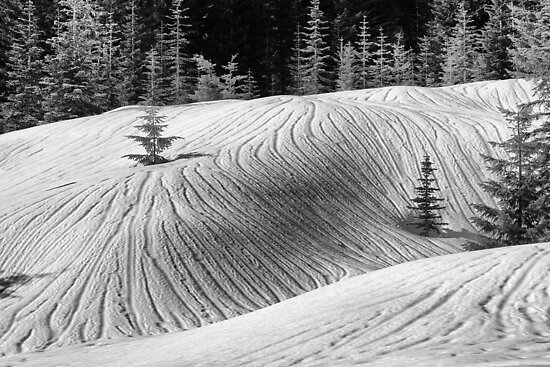
 
Tula Top, Contour Lines in Snow
Variance by Benedikt Amrhein

Lewis Baltz South wall, resources recovery systems, McGaw, Irvine, 1974
 
http://www.redbubble.com/explore/contour+lines+photography?ref=explore_medium_refinement http://www.ryanbushphotography.com/portfolio.php?dir=compositions&title=Compositions%20for%20Electric%20Wires%20and%20Ether,%202007-2008
http://theredlist.com/wiki-2-16-601-785-view-architecture-materials-profile-baltz.html

Thursday, 15 May 2014

Research

Edward Burtynsky

Burtynsky is a well-known contemporary photographer best known for his landscapes showing manufactured senses or industrialised areas. Oil is one of Burtynskys series that contains images spanned from about 10 years.
 
Highway #1
Los Angeles, California, USA, 2003
Talladega Speedway #1
 Birmingham, Alabama, USA, 2009


Alberta Oil Sands #10
Fort McMurray, Alberta, Canada, 2007
SOCAR Oil Fields #1ab
Baku, Azerbaijan, 2006
All images from http://www.edwardburtynsky.com/site_contents/Photographs/Oil.html 


The series splits in three categories which contain Extraction and Refinement, how oil is drawn from the earth and processed for our use, Transportation and Motor Culture, the importance and effect it has had on our lives and The End of Oil which shows the destruction and consequences oil has on nature and our surroundings. 

The thing that draws me to Burtynskys images as well as the narrative and meaning behind them, is the large scale and detail they hold. I can only imagine the effect the images create when seen up close, and the questions they make you ask about how we are relying and also taking advantage of our surroundings.

"We are drawn by desire - a chance at good living, yet we are consciously or unconsciously aware that the world is suffering for our success."
 Quote by Burtynsky


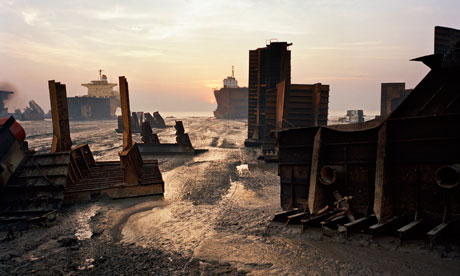
Burtynskys images capture the beauty and alarming scenes which society has created, they leave us to think about how we use and see the world. The most effective images from the series that leave the realisation of the effect we have on nature are the ones that capture the destruction of oil to our surroundings. Shipbreaking #13, Chittagong, Bangladesh, 2000 is a perfect example of this, it captures a shipbreaking site in the soft light of the setting sun.
"This is where outdated oil tankers come to die"


Shipbreaking #13, Chittagong, Bangladesh, 2000 by Edward Burtynsky.
Image from http://www.theguardian.com/artanddesign/picture/2012/jan/30/eyewitness-shipbreaking-13-chittagong-bangladesh
Websites visited http://www.edwardburtynsky.com/
http://thephotographersgallery.org.uk/burtynsky-oil-4 
http://www.designboom.com/art/edward-burtynsky-oil-spill/


Andreas Gursky

Most recognised for his The Rhine II 1999 image that is the  most expensive photograph, Gursky captures the structures and patterns of the world as it is. Like Burtynsky you're drawn to the large scale of his images.
 
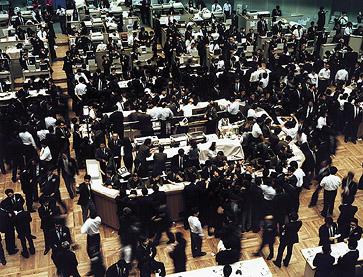
Andreas Gursky. Tokyo Stock Exchange. 1990.
 Image from http://www.moma.org/interactives/exhibitions/2001/gursky/gursky2.html
 
Tokyo Stock Exchange, 1990 is the first stock exchange Gursky photographed and is also the first time he incorporated camera blur in to his images to give a sense of movement. Being one from a group of five stock exchange images. 

Each one holds a vast amount of detail and colour and from a far look to be abstractions of colour and pattern but from close inspection you see the individual activity of each person in the images. 


 99 Cent is one of my favourit images from Gursky, again you're drawn to the large scale, colour, adstraction and endless amount of detail of the image. In a way Gursky is showing us something that we see everyday but makes you look at it from a different perspective. 

Andreas Gursky , 99 Cent, 1999.
 Image from http://c4gallery.com/artist/database/andreas-gursky/andreas-gursky.html
    
http://www.tate.org.uk/art/artworks/gursky-the-rhine-ii-p78372  
http://www.americansuburbx.com/2011/07/andreas-gursky-new-york-stock-exchange.html
http://www.moma.org/collection/artist.php?artist_id=7806 
http://www.tate.org.uk/art/artists/andreas-gursky-2349

Lewis Baltz

Lewis Baltz West wall, Business systems division, Pertec, 1881 Langley, Costa Mesa (from The New Industrial Parks near Irvine, California), 1974


Lewis Baltz South wall, resources recovery systems, McGaw, Irvine, 1974


Lewis Baltz, The New Industrial Parks near Irvine, Element No. 5, California, 1974


Lewis Baltz, Fairfax, 1973
Images from http://theredlist.com/wiki-2-16-601-785-view-architecture-materials-profile-baltz.html


My idea to capture lines, textures, patterns and space within my landscapes was influence a lot by Baltz. His work focuses on abandoned warehouses and urban spaces, as well as the lines, patterns and textures in his images. I particularly liked the simplicity of his work and the contrast in each image is consistent throughout each image
 
http://www.mocp.org/detail.php?type=related&kv=6860&t=people
http://alexdobson.wordpress.com/2010/09/29/photographer-lewis-baltz-new-industrial-parks-near-irvine-california/
http://www.sternberg-press.com/index.php?pageId=1302&bookId=197&l=en


Bernd and Hilla Becher

Bernd and Hilla Becher. Winding Towers, Belgium, Germany. 1971–91.


Image from http://www.moma.org/visit/calendar/exhibitions/95
Everybody who collects something groups, whether you collect beer mugs or butterflies. ... Or stamps, for instance: you collect them for countries, colors, images, time. [Likewise] you can also group these very difficult to understand industrial buildings.--Hilla Becher
Quote from http://www.getty.edu/art/gettyguide/artMakerDetails?maker=1813

Bernd and Hikka Becher who began working together in 1959 and married in 1961, are best known for their ‘typologies’- grids of precise black and white photographs of industrial sites and one of the most influential and dynamic photographic teams. The artists traveled to large mines and steel mill sites, one being the winding towers that haul coal and iron ore to the surface. They were intrigued by the fact that so many of these industrial buildings seemed to have been built with a great deal of attention toward design. The images were then displayed side by side to invite viewers to compare their forms and designs. The images portray simplisity yet hold a vast amount of detail. 

http://www.moma.org/visit/calendar/exhibitions/95
http://www.moma.org/explore/inside_out/2010/07/29/recent-acquisition-bernd-and-hilla-bechers-winding-towers
 http://www.moma.org/collection/artist.php?artist_id=8095
http://poulwebb.blogspot.co.uk/2011/01/bernd-and-hilla-becher-photography.html